
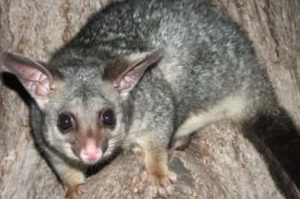
 Melbourne, known for its diverse wildlife and lush greenery, is home to a unique resident – possums. These furry creatures often find solace in our homes, gardens, and roofs. While sharing our space with possums is a part of life in Melbourne, it can sometimes be a source of frustration. In this comprehensive guide, we’ll explore how to effectively manage Common Brushtail Possums in your roof or garden while adhering to legal regulations and ensuring the welfare of these protected animals.
Understanding Common Brushtail Possums: Common Brushtail Possums (Trichosurus vulpecula) are approximately the size of a cat with large pointed ears, grey fur, and a bushy black tail. They give birth to a single young one in autumn or spring, which spends about six months in the mother’s pouch and later rides on her back. These possums are adaptable and can thrive in various environments.
Common Ringtail Possums (Pseudocheirus peregrinus), on the other hand, are smaller, about half the size of a cat, with round ears, a grey back, rusty sides, and a curled tail with a white tip. They usually have one to three young, typically twins, during autumn or winter. Ringtail possums create nests of twigs and leaves, known as dreys, several meters above the ground and are less likely to enter house roofs.
Legal Protections for Possums: Possums in Melbourne are protected under the Wildlife Act 1975, which means that harming or relocating them without proper authorisation is illegal. However, certain exceptions and provisions allow for the control of Common Brushtail Possums living within buildings, municipal parks, and gardens.
Trapping Common Brushtail Possums: Trapping possums is permitted for specific purposes and individuals, including homeowners or occupiers, building managers or their staff, and licensed Wildlife Controllers by the Department of Environment, Land, Water, and Planning (DELWP). Here are some key considerations for possum trapping:
- Trap Requirements: Traps must be designed to avoid injury, with an ideal construction being a wire mesh box with mesh less than 19 millimeters square.
- Conditions of Trapping: Traps should be checked no more than two hours after sunrise, and trapped possums must be kept in a quiet place, covered with a cloth or bag.
- Releasing Trapped Possums: Possums should be released on the property where they were captured, within 50 meters of the capture site, after sunset on the day of capture. If releasing on the property isn’t feasible, humane euthanasia by a registered veterinary practitioner is required within 24 hours.
- Avoid Daytime Release: Releasing possums during the day increases their stress and puts them at risk of being attacked and injured.
It’s essential to adhere to these guidelines to avoid legal consequences.
Why Relocating Possums Is a Bad Idea: Relocating possums may seem like a humane solution, but it’s both illegal and harmful to these creatures. Studies have shown that relocating possums is detrimental to their well-being. Instead, it’s best to focus on alternative methods of managing their presence.
Alternative Management Options: Here are some alternative methods to manage possums in Melbourne:
- Possum-Proofing Roofs: To prevent possums from accessing your roof, consider blocking off their access points. This can be done by creating a one-way flap, pruning overhanging branches, building a floppy fence, or using tree collars.
- Protecting Gardens: If possums are causing damage to your garden, you can build a floppy fence around it using galvanized chicken wire or use collars to protect fruit trees. While repellents are an option, they may not be very effective.
- Possum Nest Boxes: Install nest boxes in your garden as an alternative den site for possums. These territorial creatures are likely to keep others away from your roof and garden if they adopt the nest box. Ensure the nest box is made from safe materials and placed at least three meters above the ground.
Managing possums in Melbourne can be a harmonious endeavor if done in compliance with legal regulations and with the well-being of these protected animals in mind. By following the guidelines outlined in this comprehensive guide, you can coexist successfully with possums while preserving the unique wildlife of Melbourne. Remember, respecting nature’s balance is key to a thriving urban ecosystem.