 Chemical delignification may not be a term you hear every day, but understanding it could be crucial when it comes to the structural integrity of your property. So, what exactly is chemical delignification, and is it something you need to worry about?
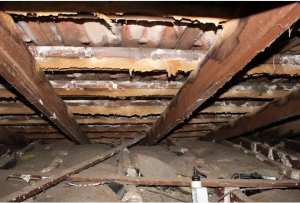
In simple terms, chemical delignification occurs when the natural ‘glue’ that holds the cells of timber together, known as lignin, is destroyed. Over time, this weakens the timber until it eventually collapses, resulting in what’s often referred to as ‘hairy timber’ due to the fibers detaching. This type of timber deterioration can pose a significant structural problem, especially when it affects critical components like roof battens.
Speaking of roof battens, they’re often the first to suffer the effects of chemical delignification, particularly in the roof void space. While other timbers may also be affected, roof battens are particularly vulnerable due to their sectional size and position within the roof. Even timber species typically considered durable, like Jarrah, can be susceptible to this type of deterioration. And while it may take years for the collapse to occur, chemical delignification is classified as a major defect in building inspections, warranting immediate attention.
Our recommendation would be to engage a structural engineer to help you make a decision if timber replacement is necessary, and if so when.
If ever looking for Melbourne pest control services we are open 7 days.